
Established 2010 | Family-Run & Local
Home Physiotherapy & Occupational Therapy
Physiotherapy & Occupational Therapy in Your Home — Hampshire, Dorset & Wiltshire
Looking for home physiotherapy or occupational therapy near you? Our HCPC-registered team brings expert rehabilitation to older adults across Hampshire, Dorset and Wiltshire, combining physiotherapy and occupational therapy to help you regain mobility, confidence, and independence — all in the comfort of your own home.

Hear from families we've helped

"I started Medella on a simple belief: that healing happens best at home. My goal is to ensure your loved ones are treated with the same dignity, patience, and clinical expertise I would want for my own parents."
Naomi Patrick
Clinical Director & Founder
100%
Home Visits
Senior
Clinicians Only
20+
Avg. Years' Experience
800+
Patients Helped
5★
Google Rated
What We Do
We bring private home physiotherapy and occupational therapy directly to you — no travel, no waiting rooms, no stress.
Treatment at Your Door
Our therapists arrive with all the equipment needed for your assessment and hands-on treatment. Whether you're recovering from surgery, managing a long-term condition, or working to prevent falls — we treat you at home.
Real-World Rehabilitation
Physiotherapy home visits let us assess how you move in your actual living space, identify real-world challenges, and create treatment plans that work for your daily life. Combined with occupational therapy, we address both physical recovery and practical independence.
Unhurried & Flexible
We specialise in supporting older adults and their families, offering flexible appointment times that fit around your routine. Every visit allows time for proper treatment and for your questions to be answered.
Who We Help
Our private physio home visits support people who find it difficult or stressful to travel to a clinic — and families arranging care for loved ones.
Older Adults
Wanting to stay independent at home
Post-Surgery Patients
Recovering from hip, knee, or other surgery
Stroke Survivors
And those with neurological conditions
Falls Risk
Anyone at risk of falls or who has fallen recently
Chronic Conditions
Managing arthritis, respiratory conditions, or chronic pain
Families
Looking for reassurance that their parent is receiving expert care
If you're unsure whether home physiotherapy or OT is right for you, call us for a free, no-obligation chat with a qualified therapist.
How We Help
We provide home physiotherapy and occupational therapy for a wide range of conditions and challenges affecting mobility, independence, and daily living.
Stroke Rehabilitation
Expert stroke rehab at home — movement retraining, strength, coordination and daily living skills.
Falls Prevention
Balance physiotherapy, home safety assessments, and strength programmes to reduce fall risk.
Post-Surgery Recovery
Home-based rehab after hip, knee, shoulder and spinal surgery.
Neurological Conditions
Support for Parkinson's, MS, brain injury and other neurological diagnoses.
Dementia, Anxiety & Mood
Occupational therapy for dementia, anxiety, low mood, and isolation — maintaining routines, confidence, and independence.
Arthritis & Joint Pain
Gentle hands-on treatment, pain management and advice on aids and equipment.
Respiratory & COPD
Breathing techniques, chest clearance and pulmonary rehabilitation at home.
Hospital Discharge
Rapid rehabilitation to support safe return home after a hospital stay.
Dizziness & Vertigo
Vestibular physiotherapy for BPPV, labyrinthitis and balance disorders.
Why Home Visits Work Better
There's a reason we only offer home visits. Rehabilitation is most effective when it happens in your real-world environment.
No Travel Stress
We come to your door. No taxis, no parking, no exhausting journeys when you're already unwell.
Familiar Surroundings
You recover faster when you're comfortable. Your home is where healing happens best.
Real-World Assessment
We see your actual stairs, bathroom, and kitchen. This means practical advice that truly helps.
Family Involvement
Loved ones can join sessions, learn exercises, and feel confident supporting your recovery.
Flexible Timing
Early mornings, afternoons, or around carer visits. Appointments that fit your routine.
Continuity of Care
You see the same therapist each visit, building trust and allowing us to track your progress closely.
For older adults and those with mobility challenges, travelling to a clinic can be the biggest barrier to getting help. We remove that barrier entirely.
Physiotherapy & Occupational Therapy: Better Together
What makes Medella different? We offer both physiotherapy and occupational therapy — and we coordinate your care so you get the best of both.
Physiotherapy
Focuses on your physical function: strength, balance, mobility, and pain. Our physios help you walk more safely, recover movement after surgery or stroke, and build the confidence to stay active.
Occupational Therapy
Focuses on helping you regain confidence and independence in daily life. Our OTs provide functional rehabilitation, support you to master everyday tasks, and where needed recommend equipment or home adaptations — always with your personal goals at the centre.
Most providers offer one or the other. We offer both — working together.
Example: After a hip replacement, your physiotherapist rebuilds your strength and walking ability, while your occupational therapist ensures you can safely use your bathroom and get in and out of bed.
Areas We Cover
Our physiotherapists and occupational therapists provide home visits across Hampshire, Dorset, and Wiltshire.
Hampshire
Wiltshire
Our therapists live locally in Ringwood, Bournemouth, Christchurch, Southampton and Salisbury — ensuring reliable, punctual visits without long travel delays.
Meet Our Team
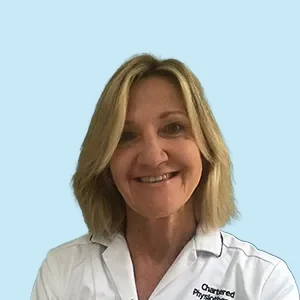
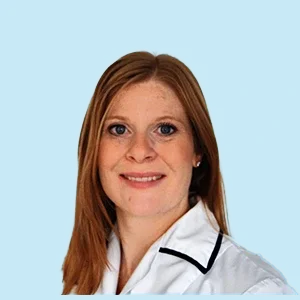
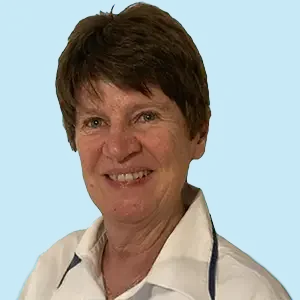
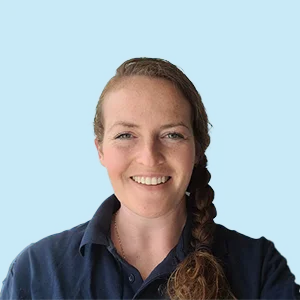
Our team of Chartered Physiotherapists and Occupational Therapists are all HCPC registered, CSP/RCOT members, and Enhanced DBS checked. We specialise in elderly care, neurological rehabilitation, falls prevention, and post-surgical recovery.













Pricing
Home visits from £60 per session
£120
Initial Assessment
60-90 minutes
£60
30-min Follow-up
30 minutes
£90
45-min Follow-up
45 minutes
Each visit includes assessment, hands-on treatment, a personalised exercise programme, and advice for you and your family. We bring all necessary equipment to your home.
We're transparent about our fees — no hidden costs.
See Full Price ListHow to Book a Home Visit
Free Phone Consultation
Call us for a free, no-obligation chat with a qualified therapist. We'll discuss your situation and explain how we can help.
Initial Assessment
A senior therapist visits your home for a thorough assessment, understanding your goals and identifying the best course of action.
Personalised Treatment Plan
We design a bespoke treatment plan tailored to your specific needs, working at your pace in your own environment.
Trusted Partners for Professionals
We work with care homes, solicitors, insurers, and case managers across the South, providing rapid-response rehabilitation and clinical reporting.
Frequently Asked Questions
Do I need a referral for private home physiotherapy or OT?
No. You can contact us directly to arrange a home visit — no GP referral needed. We can liaise with your GP afterwards if you wish.
How much does a home visit cost?
Physiotherapy sessions start from £60 for a 30-minute follow-up. Initial assessments are £120. The first 5 miles of travel are free. Visit our prices page for full details.
What's the difference between physiotherapy and occupational therapy?
Physiotherapy focuses on movement, strength, balance, and physical function. Occupational therapy focuses on daily living skills, home safety, and equipment to help you stay independent. We often combine both for the best results.
Which areas do you cover?
We provide home visits across Hampshire, Dorset, and Wiltshire. Our core service areas include Bournemouth, Poole, Christchurch, Southampton, Salisbury, Ringwood, Ferndown, Wimborne, and the surrounding towns. The first 5 miles of travel are free, with additional mileage at £2 per mile. If you’re unsure whether we cover your location, contact us or view our full coverage area.
Are your therapists qualified?
Yes. All therapists are HCPC registered. Physiotherapists are CSP members; OTs are RCOT members. Everyone is Enhanced DBS checked.
Ready to Start Your Recovery?
Contact us today for a free initial consultation. We'll discuss your needs and explain how we can help — with no obligation.