
Comfort, Dignity & Support
Palliative Physio & OT at Home
When someone you love is living with a life-limiting illness, comfort and dignity become everything. Our palliative physio at home service combines gentle physiotherapy and occupational therapy to help your loved one stay comfortable and maintain independence at home.
You'll usually speak to Naomi, our Clinical Director, or another senior therapist. If we're with a patient, please leave a voicemail and we'll call you back.
No waiting list. First home visit usually within 2–7 days, often within 48 hours, depending on your location and therapist availability.
-
From £60 a visit Initial assessment £120 · no GP referral needed. See all prices
-
HCPC-registered CSP & RCOT members · DBS-checked
-
Home visits across Hampshire, Dorset and the edge of Wiltshire
How Our Team Helps with Palliative & End-of-Life Care at Home
Our physiotherapists and occupational therapists work together to provide gentle, responsive support focused on comfort, dignity, and quality of life.
Palliative care is about making the most of every day. It is not about giving up — it is about focusing on what matters most: comfort, purpose, and living as fully as possible. Whether your loved one is managing cancer, Motor Neurone Disease (MND), advanced COPD, heart failure, or another life-limiting condition, our role is to ease symptoms, help them keep doing the things that bring meaning and joy, and support the whole family.
How We Support Palliative Care
- Pain & Stiffness Relief Gentle hands-on techniques
- Breathing Support Chest physio & positioning
- Gentle Movement Maintain what matters most
- Equipment & Positioning Beds, chairs & pressure care
- Carer Support Training & guidance
Physiotherapy
Gentle physiotherapy can make a real difference to comfort and quality of life, even in the later stages of illness. Our approach is about easing discomfort and preserving the ability to do the things that matter.
- Comfort Positioning — Finding the most comfortable positions in bed or chair to reduce pain, prevent pressure areas, and ease breathing.
- Breathlessness Management — Teaching gentle breathing techniques and positioning strategies to ease breathlessness. Learn more about respiratory support.
- Gentle Movement & Mobility — Maintaining the ability to get to the bathroom, move in bed, or walk to the garden for as long as possible.
- Pain & Stiffness Relief — Gentle stretching, massage, and positioning to ease muscle tension, joint stiffness, and pain.
Occupational Therapy
Our occupational therapists look at the whole person — not just the diagnosis. We focus on what gives your loved one a sense of purpose and self-worth, identifying the meaningful activities they want to maintain and finding ways to make them possible, while supporting you as a family.
- Environment & Adaptations — Assessing how the home environment — furniture layout, room setup, and equipment — can best support comfort and independence, so your loved one can continue to do the things that matter to them. Learn about our home adaptation service.
- Meaningful Activities & Energy Conservation — When energy is limited, we help identify the activities that bring the most joy, purpose, or connection — whether that is sitting in the garden, writing a card to a grandchild, or sharing a meal with family — and plan the day around making them possible.
- Daily Routines & Emotional Wellbeing — Helping rebuild a gentle daily structure that preserves dignity, independence, and a sense of normality. We also support emotional resilience — managing anxiety, building confidence around tasks that feel difficult, and helping your loved one feel that each day still has purpose.
- Family & Carer Empowerment — Teaching safe moving and handling techniques, and helping carers learn to enable your loved one to do things for themselves wherever possible — preserving their independence and self-worth. Learn about our carer training service.
Compassionate, Experienced Therapists
Our team includes therapists with specialist palliative care experience, including work with Macmillan and hospice services. Team average: 21+ years of clinical experience. View all team profiles.
-

Catherine Case
Senior Physiotherapist Palliative Care
-

Samantha Densem
Senior Physiotherapist Palliative Care
-

Julia Pervin
Senior Physiotherapist Respiratory
-

Seena Thomas
Senior Physiotherapist Respiratory
-

Sarah Grisenthwaite
Senior Physiotherapist Respiratory
-

Lucy Chaldecott
Senior Physiotherapist Respiratory
Support Where They Are Being Cared For
If you would like care at home, tell your care team so they can discuss what support is possible. Travelling to a clinic or hospital for therapy is often exhausting, distressing, and impractical.
More about therapy where your loved one is
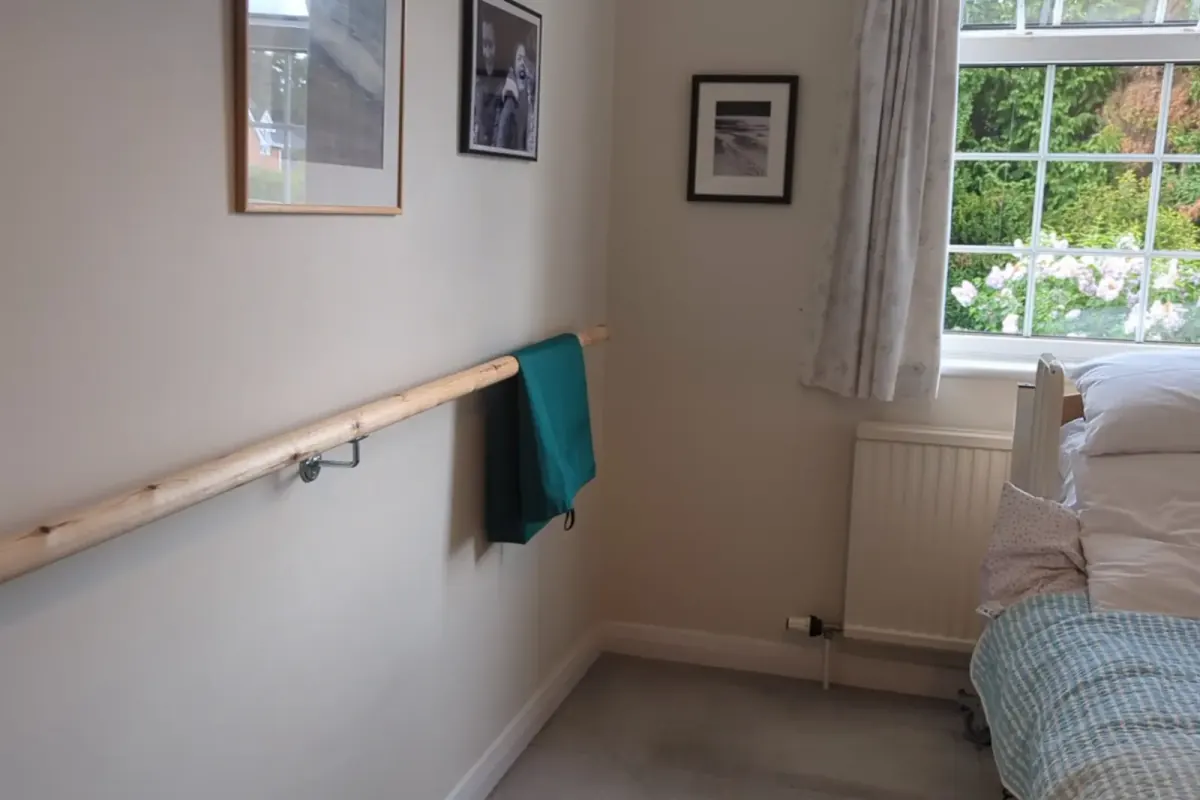
By coming to your loved one's home, we can provide therapy in the environment that matters most. We assess how the furniture layout, room setup, and daily routines support comfort and independence. We work with the actual bed they sleep in, the chair they sit in, and the spaces where meaningful moments happen. This means our recommendations are immediately practical — not theoretical.
Home visits also allow us to support the wider family. We can answer questions, demonstrate techniques, and help carers feel empowered — showing how to enable your loved one to do things for themselves wherever possible, preserving their dignity and sense of self.
Pricing
No hidden costs and no long-term commitment. The first 5 miles from your therapist's base are free; after that it's £2 a mile, measured one way.
- Initial assessment usually 60–90 minutes
- £120
- 30-minute follow-up
- £60
- 45-minute follow-up
- £90
If time is short
We visit wherever your loved one is being cared for within our area: at home, at a relative's home, in a care home or in a hospice. If time is short, tell us when you get in touch and we'll do our best to help quickly. Our cancellation policy explains what happens if a visit has to be cancelled.

Naomi Patrick Clinical Director & Senior Physiotherapist
Mon-Sun, 8am-8pm
What to Expect
-
A confidential conversation
Speak in confidence with Naomi, our Clinical Director, or another senior therapist. They will listen to your situation, understand what matters most to your family, and advise on how we can help — with no obligation.
-
A gentle first visit
Your therapist comes to the home, meets your loved one, and carries out a sensitive, whole-person assessment. The focus is on understanding not just their physical needs, but what activities give them purpose, what their emotional concerns are, and how their environment can best support comfort and quality of life.
-
Flexible, responsive support
Sessions are tailored to how your loved one is feeling each day. We coordinate with your GP, district nurses, Macmillan team, or hospice to ensure seamless, joined-up care.
Frequently Asked Questions
Can physiotherapy help at the end of life?
Yes. Even when a condition cannot be reversed, physiotherapy can significantly improve comfort. Gentle positioning, breathing techniques, and hands-on treatment can ease pain, reduce breathlessness, and help maintain the ability to do meaningful activities for longer. Our focus shifts from rehabilitation to comfort and quality of life.
What if my loved one is bedbound and receiving palliative care?
We regularly support people who are bedbound. Our physiotherapists can help with positioning for comfort, gentle passive movements to prevent stiffness, and breathing techniques. Our occupational therapists can advise on pressure relief, equipment, and helping carers with safe repositioning.
Do you work alongside NHS palliative care teams?
Yes. We work closely with GPs, district nurses, Macmillan nurses, hospice teams, and other palliative care professionals. With your consent, we share relevant information so that your loved one’s care is fully coordinated. We work alongside NHS and hospice services; we do not replace them.
How quickly can you start palliative care visits?
We understand that time is precious. We prioritise palliative care referrals and aim to arrange a first visit as quickly as possible. First home visits are usually available within 2–7 days, depending on your location and therapist availability. Call us to discuss your needs and confirm the earliest suitable visit; we will do everything we can to help promptly.
Which areas do you cover?
We provide home visits across Hampshire, Dorset and the edge of Wiltshire. This includes Southampton, Bournemouth, Poole, Ringwood, and the surrounding towns and villages. Salisbury is not covered at present; we are recruiting a therapist for the area.
Background reading
Comfort, Dignity & Quality of Life
Pain, breathlessness, fatigue, and stiffness can all be helped with the right specialist input. End of life physiotherapy and occupational therapy work alongside your medical team, district nurses, and hospice services to ensure your loved one receives joined-up, compassionate care in the place they feel safest — home.
We understand that every day can be different. Some days will be better than others, and our therapists adapt every visit accordingly. There is no rigid programme — only gentle, responsive support that follows your loved one's lead.
Information from Medella Home Physio & OT. Clinical director: Naomi Patrick. Last updated .
We're Here When You Need Us
If you are caring for someone with a life-limiting illness and would like to talk about how we can help, please call or send an enquiry. There is no obligation — just a quiet, understanding conversation about what matters most to your family.
If we're with a patient, please leave a voicemail and we'll call you back.
Mon-Sun, 8am-8pm