
Medella Home Physio & OT · https://private-physio.co.uk/blog/hospital-discharge-medically-fit-parent-not-ready/
Hospital Discharge: What "Medically Fit" Means When Your Parent Isn't Ready
Your parent is 'medically fit for discharge' but can barely walk. Learn what this really means, your options, and how home physiotherapy and occupational therapy bridge the gap between hospital and safe recovery.
It is a common scenario for families in Hampshire, Dorset and Wiltshire: you receive a call from the ward manager stating your parent is “medically fit” and will be discharged tomorrow. They could be leaving Southampton General, Lymington, or Royal Bournemouth hospitals sooner than you expected. But you know the reality.
Key Takeaways
- “Medically fit” refers to clinical stability — knowing the difference protects your parent from unsafe discharge.
- Hospital-acquired deconditioning can happen within 48 hours, significantly increasing the risk of falls upon return.
- You have options, including requesting functional assessments and utilising private home rehabilitation to bridge the gap.
What Does “Fit for Discharge” Actually Mean?
You know that while the infection has cleared, Mum or Dad still can’t walk to the bathroom unaided. They certainly aren’t able to cope alone. The NHS calls this medically fit for discharge, but the gap between medical recovery and functional safety is terrifying.
If you are worried about them leaving hospital, it is reasonable to ask how their support needs will be met. Share what you know about their home and usual abilities with the discharge team, and ask them to explain the proposed plan.
To understand the situation, we have to decode the terminology used by hospital staff. Being medically ready for discharge generally means the person no longer needs care in that acute inpatient setting. They may still need treatment, rehabilitation or help with daily life elsewhere, with an appropriate plan in place. Some people continue using prescribed home oxygen, for example; needing oxygen does not automatically mean they must remain in hospital.
Crucially, this status does not mean they are back to their previous level of mobility. It does not guarantee they are safe to manage daily living tasks independently. Discuss the practicalities of returning home after a hospital stay with the team, including mobility, equipment and who will help with daily tasks.
Risks of Leaving Hospital: Hospital-Acquired Deconditioning
Why is it so risky to accept a hospital discharge before a parent is functionally ready?
- Hospital-Acquired Deconditioning: Older people lose muscle mass quickly. Deconditioning (muscle weakness caused by prolonged bed rest) can happen within 48 hours.
- Frailty and Falls: A parent who walked into hospital might leave needing more help. The team should assess how they will manage stairs, transfers and everyday tasks, and arrange support or hospital discharge rehabilitation where needed.
- Support After Discharge: Gaps in hospital discharge support can leave a person struggling at home. A clear plan for mobility, medicines, care and getting help can reduce avoidable difficulties, including fall risks.
Worried about your parent coming home?
If mobility, stairs or daily tasks are a concern, tell us what is happening. We will advise whether home physiotherapy, occupational therapy or another route is most appropriate.
Your Options: Managing the Hospital Discharge
You may feel pressured to agree to a date and time, but you have rights. You can check the NHS England website for official guidance, but here is how to handle the situation locally.
Ask for a “Functional Assessment”
If the timescale feels unsafe, ask the multidisciplinary team (MDT) about their functional abilities. Can they climb stairs? Do they have swallowing difficulties? Have they had a carer’s assessment? If your parent lacks the capacity to make decisions, and you have Lasting Power of Attorney, you must be consulted on their best interest. You can also request to speak to the Patient Advice and Liaison Service (PALS) to help put forward your views.
Waiting for a Package of Care
Often, a social worker from social services will be assigned to assist with health and social care. This involves an assessment process to determine care needs and a financial assessment. However, finding a package of care (carers visiting multiple times a day) or a spot in a community hospital can take time, pushing back the expected date of discharge (EDD).
How Private Therapy Bridges the Gap
You do not always have to wait weeks for community care. Medella Home Physio & OT specialises in seeing patients following a stay in hospital.
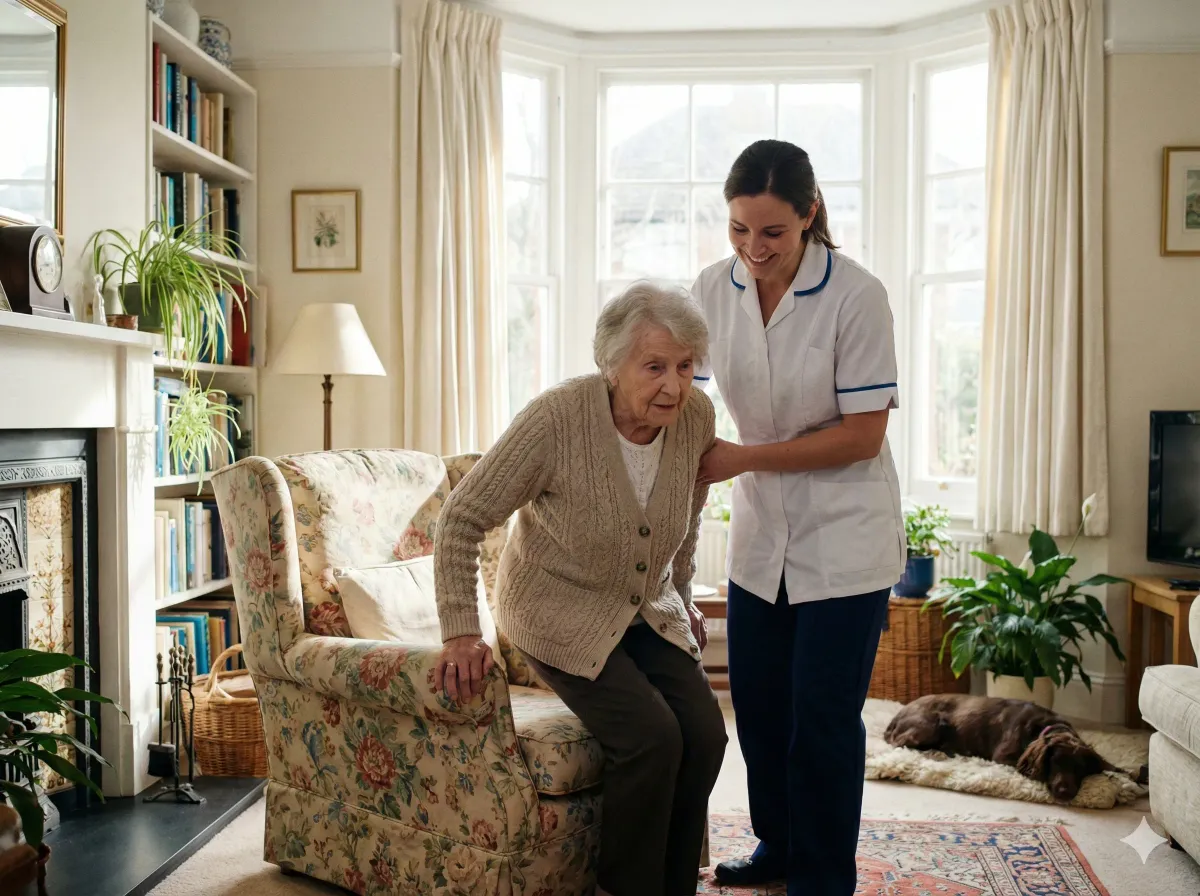
- Availability: We can often arrange a first visit within 48 hours. First home visits are usually available within 2–7 days, depending on your location and therapist availability; contact us before discharge to discuss timing.
- Safety: We assess relevant home-safety needs as part of the first visit.
- Rehabilitation: We tailor treatment to help rebuild strength and independence after illness or inactivity.
Why Choose Home Visits Over a Care Home?
When families are told a parent isn’t able to return home safely yet, the immediate reaction is often to look at a move to a care home. While sometimes necessary, often what the patient needs is a short, intensive burst of therapy.
With the right care plan, a private physio, and perhaps temporary support, many older adults can remain independent. We work alongside your GP and care services to ensure the medical notes and rehabilitation goals align.
Summary: You Have Choices
The phrase “medically fit” can be misleading. Acute inpatient treatment may be complete while recovery and ongoing care needs remain. For local rehabilitation help and support in Hampshire, Dorset and Wiltshire, we are here. You can ask a relative or friend to call us.
Worried about a pending discharge from Southampton General or Royal Bournemouth? Contact us before they come home so we can discuss the plan. Medella Home Physio & OT can help your parent work towards safer mobility, greater confidence and everyday independence alongside their other care.
Related Guides for Families
- Why Hospital Stays Make Elderly People Weaker – how bed rest causes deconditioning and what you can do
- Your Parent Is Home from Hospital: The First 48 Hours – what to prioritise in the critical first days
- Returning Home After a Stroke or Fall: 10 Things to Prepare – a practical checklist for families
Medical Disclaimer
The information in this article is intended for general educational purposes only. It does not constitute medical advice, diagnosis, or treatment. Always seek the advice of your GP, physiotherapist, or other qualified healthcare provider with any questions you may have regarding a medical condition or treatment. Never disregard professional medical advice or delay in seeking it because of something you have read on this website.
Sources
Medella Home Physio & OT · 01425 490151 · contact@private-physio.co.uk