
Spinal Surgery Rehabilitation at Home
Recovering from spinal surgery can feel daunting. Whether you have undergone a decompression, discectomy, or complex spinal fusion, the thought of returning home and moving again is often accompanied by anxiety about pain and protecting the surgical site.
At Medella, we bring specialist physiotherapy and occupational therapy directly to your door across Hampshire, Dorset, and Wiltshire. We bridge the gap between hospital discharge and regaining your independence, ensuring you recover safely in the comfort of your own home—without the need to travel to a clinic.
Understanding Spinal Surgery Recovery
Rehabilitation is not a "one size fits all" process. Your recovery timeline depends heavily on the specific procedure you have undergone:
- Decompression (Laminectomy): Often allows for quicker mobilisation, focusing on relieving nerve pressure.
- Discectomy: Removal of disc material to relieve pain; requires careful core strengthening to prevent recurrence.
- Spinal Fusion: A more complex recovery requiring strict adherence to protocols while the bones fuse.
- Cervical (Neck) Surgery: Requires specific focus on posture, head positioning, and upper limb function.
The Golden Rule: "BLT"
For the first few weeks (or months) after surgery, your surgeon will likely issue "BLT" restrictions. Our home therapists ensure you stick to these rigidly while still maintaining independence:
- No Bending: We teach you how to dress and wash without bending the spine.
- No Lifting: Usually restricted to anything heavier than a half-filled kettle.
- No Twisting: We teach "log-rolling" techniques to get out of bed safely.
Phase 1: Protection & Safety
The priority is protecting the surgery and managing pain. We focus on safe transfers (getting in/out of chairs), walking little and often, and adhering to restrictions. Inflammation and stiffness are common, and gentle movement is key to reducing them.
Phase 2: Stability & Movement
Once the initial healing has occurred, we introduce gentle core activation (transversus abdominis) and postural re-education. This phase is about building the "internal corset" of muscle to support your spine as you increase activity levels.
Phase 3: Function & Strength
For fusion patients, this timeline may be extended. We focus on a steady return to normal activities, hobbies, and potentially driving. The goal is to build resilience so you can move with confidence and without fear of re-injury.
Common Difficulties After Spinal Surgery
It is normal to experience fluctuations in your recovery. Many of our patients report:
- Nerve Symptoms: You may still feel tingling, numbness, or "altered sensation" in the legs or feet as nerves take time to heal (often much slower than muscle or bone).
- Morning Stiffness: The spine often feels "locked" upon waking.
- Fear of Movement (Kinesiophobia): A very common psychological barrier where patients avoid moving for fear of damage.
- Practical Struggles: Difficulty putting on socks, getting off a low toilet, or finding a comfortable sleeping position.
How Physiotherapy Supports You
Our home physiotherapists focus on the physical mechanics of your recovery:
- Log-Rolling Training: Teaching you the safe way to get in and out of bed without twisting.
- Gait Re-education: Correcting your walking pattern if you have been limping due to pain for a long time.
- Neural Mobilisation: Gentle techniques to help nerves glide freely and reduce sensitivity.
- Core Stability: Teaching you to engage deep abdominal muscles to support the spine during movement.
How Occupational Therapy Supports You
Our Occupational Therapists (OTs) focus on the practicalities of daily living:
- Personal Care: Techniques to wash and dress the lower body without breaking "No Bending" rules.
- Home Assessment: Identifying trip hazards or furniture that is too low for safe use.
- Energy Conservation: Strategies to pace your day so you don't exhaust yourself by noon.
- Sleep Positioning: Advice on pillow placement to keep the spine neutral at night.
Practical Home Equipment Guidance
Small adaptations can make a massive difference to your independence while adhering to surgical restrictions. We can assess for and recommend:
- Grabbers/Reachers: Essential for picking up items from the floor without bending.
- Sock Aids & Long-handled Sponges: For independent dressing and washing.
- Toilet Raisers: To make standing up from the toilet safer and easier.
- Bed Levers: A simple rail that slides under the mattress to assist with log-rolling and standing.
How Our Home Visits Work
We do not operate a rigid booking system. As a family-run practice, when you call Medella, you will speak to a senior clinician who can discuss your specific surgery and needs.
- Initial Assessment: We visit you at home to review your discharge letter, check your wound healing, and assess your mobility.
- The Team: You will be seen by experts. Our team has an average of 18 years of experience, meaning we are well-versed in complex spinal protocols.
- Transparency: We operate with clear, transparent pricing and can communicate directly with your consultant or GP if there are concerns about your progress.
Red Flags: When to Seek Medical Advice
While pain is normal, certain symptoms require immediate medical attention (often A&E). If you experience the following, seek help immediately:
- Cauda Equina Signs: Loss of bladder or bowel control, or numbness in the "saddle area" (groin/buttocks).
- Foot Drop: Sudden inability to lift your foot or toes.
- Infection: Fever, shaking, or the wound becoming hot, red, or leaking fluid.
- Severe Pain: Pain that is escalating despite medication.
Spinal Surgery Rehabilitation Team
Spinal recovery is complex. Trust your care to our highly experienced team (average 18 years' experience) for safe, evidence-based rehabilitation. View full team profiles →

Clinical Director & Senior Physiotherapist
Expert in Elderly Rehab, Falls Prevention & Neurological Physio.

Senior Physiotherapist
Expert in Neuro Rehab for Stroke & Brain Injury, plus Falls & Balance.

Senior Physiotherapist
Specialist in Elderly Care, Neuro Rehab, Palliative & Orthopaedic physio.


Senior Occupational Therapist
OT supporting older adults with anxiety, memory, and home safety adaptations.
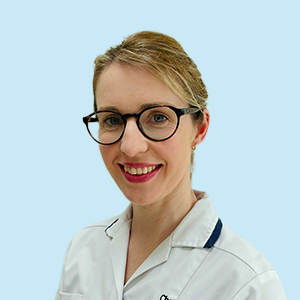
Senior Physiotherapist
Expert in Neuro Physio for Stroke & Parkinson’s, plus Falls Prevention.

Senior Physiotherapist
Expert in Elderly & Frailty Care, Orthopaedic Rehab, and Falls Prevention.

Senior Occupational Therapist
OT focused on elderly care, neuro rehab, falls prevention, and equipment.
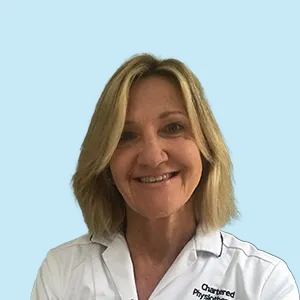
Senior Physiotherapist
Expert in Neuro Physio, Vestibular Rehab, and Orthopaedic conditions.
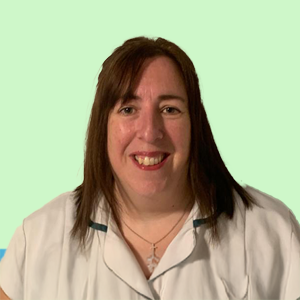
Senior Occupational Therapist
OT supporting adults with anxiety, bereavement, and cognitive decline at home.

Senior Physiotherapist
Physio for Neuro Rehab, Learning Disabilities, and Elderly Care & Falls.
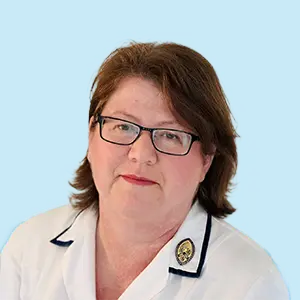
Senior Physiotherapist
Specialist in Elderly, Orthopaedic & Neurological Rehabilitation.

Senior Physiotherapist
Rehab physio for Neuro & Respiratory conditions, Falls Prevention.
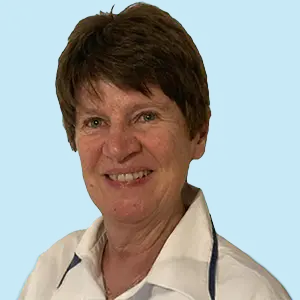
Senior Physiotherapist
Specialist in Neuro Rehab, Vestibular Conditions & Falls Prevention.
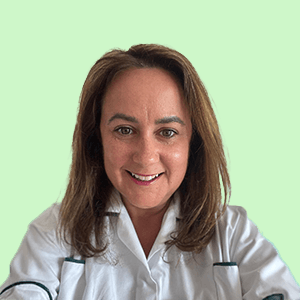
Senior Occupational Therapist
OT specialising in Stroke Rehab, Upper Limb recovery & Home Adaptations.

Senior Physiotherapist
Respiratory physio specialising in breathing pattern disorders, chronic cough & pulmonary rehab.

Senior Physiotherapist
Expert in Geriatric & Post-Surgical Rehab, plus Falls Prevention for older adults.
When can I drive after spinal surgery?
Usually only once you can perform an emergency stop without pain and are off strong painkillers—typically 6+ weeks, but consult your surgeon.
How long do I need to sleep on my back?
You don't necessarily have to. We can teach you how to side-sleep safely using pillows between your knees to keep the spine neutral.
Why does my leg still hurt after decompression?
Nerves take a long time to heal. It is common for nerves to remain sensitive or "wake up" after pressure is removed, causing temporary symptoms.