
Knee Replacement Rehabilitation at Home
Recovering from a knee replacement is a journey. While surgery corrects the structural problem, your rehabilitation determines how well you will walk, move, and live with your new joint.
For many older adults in Hampshire, Dorset, and Wiltshire, the thought of travelling to an outpatient clinic immediately after surgery is daunting. Medella brings specialist rehabilitation to you.
Whether you are recovering in your own home or staying in a care home for respite, our dual team of Physiotherapists and Occupational Therapists visits you. We help you regain range of motion, strength, and confidence without the stress of travel.
Understanding Knee Replacement Recovery
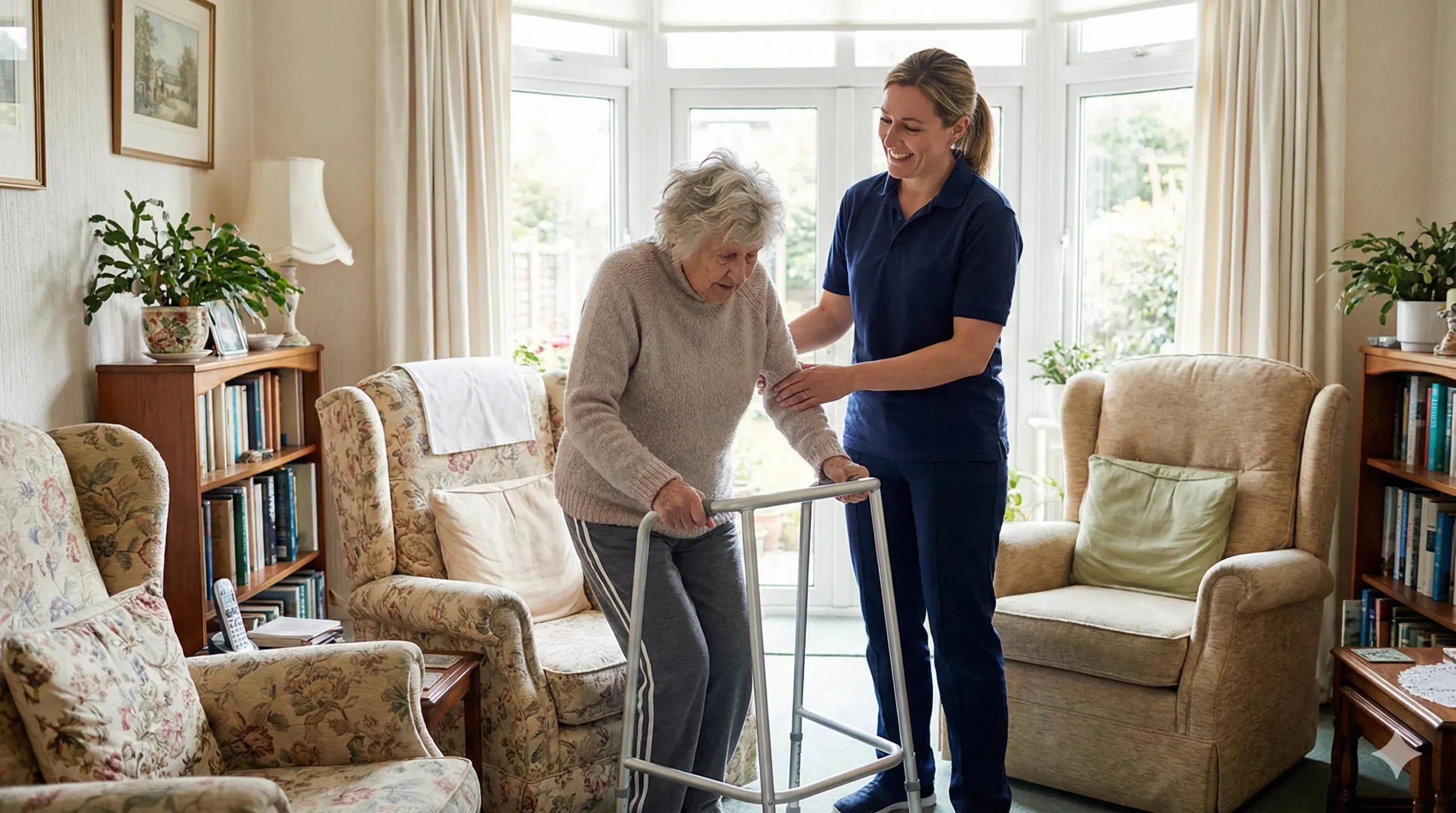
Whether you have undergone a Total Knee Replacement (TKR) or a Partial Knee Replacement (PKR), the goal is to relieve pain and restore function. However, the early days can be challenging. It is normal to experience:
- Swelling and warmth: The knee will likely remain swollen for several weeks.
- Stiffness: Your new knee needs to move to function well, but post-surgical stiffness can make this feel difficult.
- Bruising: Extensive bruising down the leg is common and usually resolves with time.
Recovery is not passive; it requires active participation. Having a specialist visit you at home ensures you are doing the right movements at the right intensity.
Weeks 1–2
Pain Management & Extension
The focus is on managing swelling and ensuring you can straighten the knee (extension). You will likely be using walking aids like crutches or a frame to move safely around your home.
Weeks 3–6
Movement & Independence
You will work on increasing your bend (flexion) and weaning off walking aids. This is often when you can return to light household activities and start feeling more like yourself.
Weeks 7–12+
Strength & Hobbies
The focus shifts to building muscle strength, stamina, and returning to hobbies. Swelling should be significantly reduced, and you will work on walking longer distances.
How Physiotherapy Supports You
Our rehabilitation turns your new joint into a functional limb. Because we visit you at home, we tailor the rehab to your real-world environment.
- Restoring Range: Achieving a completely straight leg is crucial for a normal walk. We use gentle manual therapy to help you straighten and bend the knee.
- Strengthening: We design progressive programmes to rebuild the quadriceps (thigh muscles) that support the new joint.
- Gait Re-training: We correct your walking pattern on your own carpets, tiles, and garden paths to prevent limping.
How Occupational Therapy Helps
While the Physio focuses on the knee, the OT focuses on you living with it. This is vital for maintaining independence during recovery.
- Personal Care: We teach you safe techniques for washing and dressing (like putting on socks) without straining the new joint.
- Kitchen Safety: Practical advice on preparing meals and moving items safely while using a walking aid.
- Transfers: Teaching you the safest way to get in and out of bed, up from a low chair, or on and off the toilet.
Practical Home Safety and Equipment
To reduce the risk of slips or trips during your recovery, we provide a comprehensive home assessment. We can recommend and source temporary equipment to make life easier, such as:
- Raised Toilet Seats: To make standing up easier and less painful.
- Perching Stools: Allowing you to rest while washing or preparing food.
- Bed Levers: To assist with getting in and out of bed independently.
How Home Visits Work
We do not require a GP referral. You can simply contact us to discuss your surgery date.
- Initial Consultation: We often start with a phone discussion to understand your surgery details and discharge date.
- The Assessment: A senior therapist visits you at home to assess your wound, swelling, range of motion, and safety.
- The Plan: We create a tailored plan. Some patients prefer 2–3 visits a week initially, tapering down as they improve. Others prefer weekly guidance.
Red Flags: When to Seek Medical Advice
While some pain is normal, you should contact your GP, surgeon, or NHS 111 immediately if you notice:
- Redness or fluid leaking from the wound site.
- Sudden shortness of breath or chest pain.
- Calf pain that is hot to the touch (potential signs of DVT).
- A sudden inability to put weight on the leg.
Knee Replacement Recovery Specialists
Effective rehabilitation is crucial for a new knee. Our experienced physios guide you through the exercises needed to maximize your range of movement. View full team profiles →
Clinical Director & Senior Physiotherapist
Expert in Elderly Rehab, Falls Prevention & Neurological Physio.

Senior Physiotherapist
Expert in Neuro Rehab for Stroke & Brain Injury, plus Falls & Balance.

Senior Physiotherapist
Specialist in Elderly Care, Neuro Rehab, Palliative & Orthopaedic physio.

Senior Occupational Therapist
OT supporting older adults with anxiety, memory, and home safety adaptations.
Senior Physiotherapist
Expert in Neuro Physio for Stroke & Parkinson’s, plus Falls Prevention.
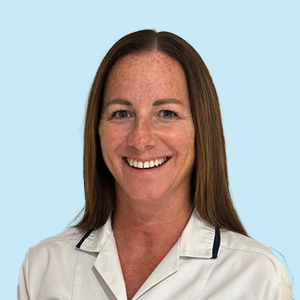
Senior Physiotherapist
Expert in Elderly & Frailty Care, Orthopaedic Rehab, and Falls Prevention.

Senior Occupational Therapist
OT focused on elderly care, neuro rehab, falls prevention, and equipment.
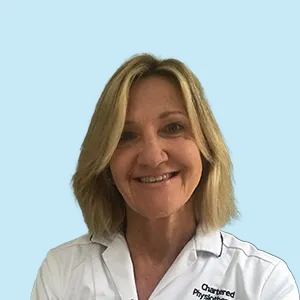
Senior Physiotherapist
Expert in Neuro Physio, Vestibular Rehab, and Orthopaedic conditions.
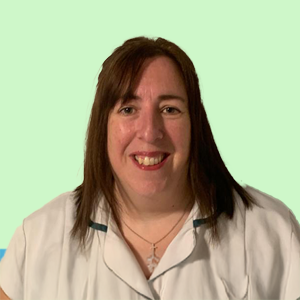
Senior Occupational Therapist
OT supporting adults with anxiety, bereavement, and cognitive decline at home.

Senior Physiotherapist
Physio for Neuro Rehab, Learning Disabilities, and Elderly Care & Falls.
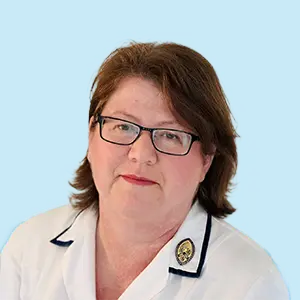
Senior Physiotherapist
Specialist in Elderly, Orthopaedic & Neurological Rehabilitation.

Senior Physiotherapist
Rehab physio for Neuro & Respiratory conditions, Falls Prevention.
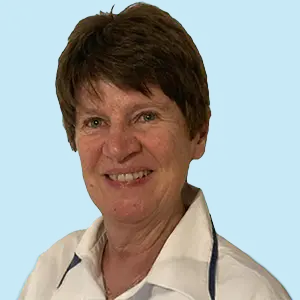
Senior Physiotherapist
Specialist in Neuro Rehab, Vestibular Conditions & Falls Prevention.
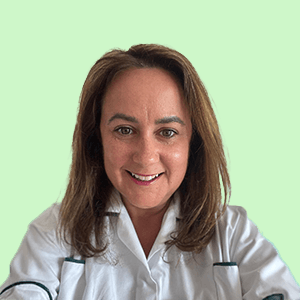
Senior Occupational Therapist
OT specialising in Stroke Rehab, Upper Limb recovery & Home Adaptations.
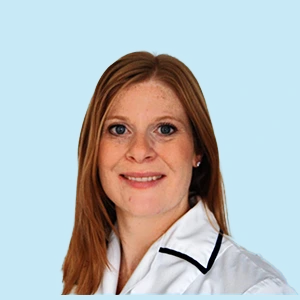
Senior Physiotherapist
Respiratory physio specialising in breathing pattern disorders, chronic cough & pulmonary rehab.

Senior Physiotherapist
Expert in Geriatric & Post-Surgical Rehab, plus Falls Prevention for older adults.
Frequently Asked Questions
How soon after surgery should I start physiotherapy?
You will likely be given basic exercises in the hospital. We typically recommend your first private home visit within 2–5 days of returning home to ensure you maintain momentum and stay safe.
Can you visit me in a care home during my respite stay?
Yes. Many of our clients stay in a residential or nursing home for a few weeks of convalescence after surgery. We can visit you there to ensure your rehabilitation starts immediately, working alongside the care home staff to ensure your recovery plan is followed safely.
Do I need a referral from my surgeon?
No, you do not need a referral to book with Medella. However, we are happy to communicate with your surgical team regarding your progress if you wish.
How long does the swelling last?
It is normal for the knee to remain swollen for 3–6 months after surgery. Consistent icing, elevation, and the correct balance of rest and movement help manage this.